















Primary Care Physican (PCP)
Content
Description
Primary Care Physican (PCP) - also known as: General Practitioner/GP or Family doctor (if member of American Board of Family Medicine) is a doctor who serves as the first point of contact in healthcare system, also provides long-term health care to patients:
- Keeps a patient's card
- Diagnose and treat common health problems
- Has an overview of all the patient's diseases, previous surgeries, vaccinations and hospitalizations in the hospital
- Coordinates treatment with specialists
- Takes blood and urine for laboratory tests
- Prescribes medications
- Refers patients to specialists

Facts
- Examination in an outpatient clinic
- Examination lasts 30 minutes
Primary care physican (PCP) is a specialist after a residency in family medicine or internal medicine. Sometimes called also GP - general practitioner. Serves also as Gatekeeper to specialists and hospitals.
During the first examination, the PCP creates a patient-record, where all previous illnesses, surgeries and hospital stays are recorded. Also information about allergies and medications are taken.
Examinations that the Primary care physican includes:
- Measurement of blood pressure, pulse, temperature
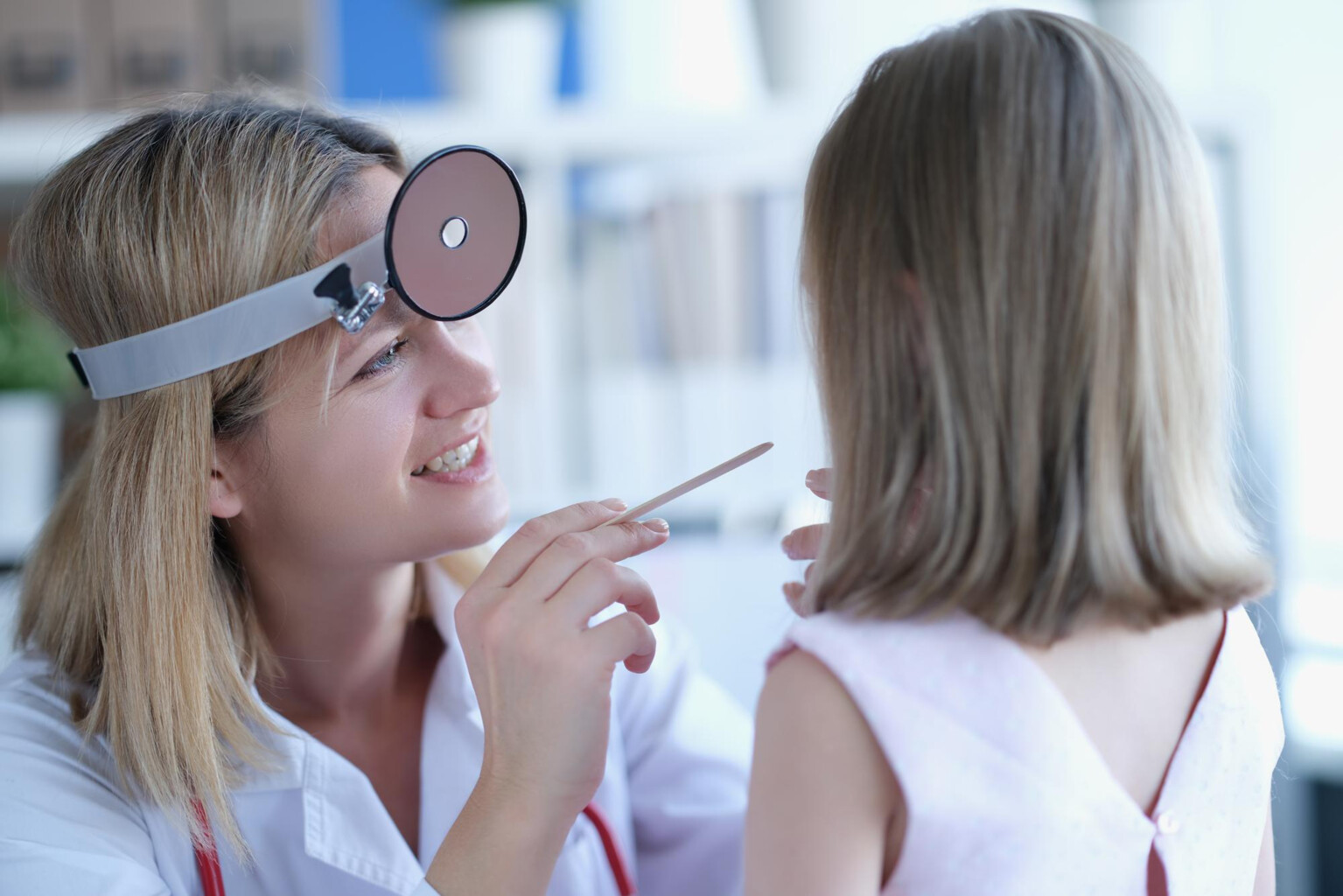
- Examination of the lungs and breathing (listens with a stethoscope)
- Palpates the abdominal organs
- Takes samples: blood and urine for examination
- ECG - Electrocardiography of the heart
From these basic examinations, the doctor finds out a surprising amount of information about the patient's clinical condition.
Primary care physican (PCP) provides a comprehensive physical and health care - prevention, acute, chronic and follow-up treatment.
- Prevention - one of the most important tasks is to carry out regular preventive examinations and screenings. Prevention can diagnose diseases at an early stage, when the disease can be treated more easily. By not paying attention to regular visits to the doctor, the patient risks that his disease will be difficult to treat in a late stage. Preventive check-ups should be performed once every 2 years
- Care of acute and chronic (long-term) illnes
- Follow-up care means long-term monitoring of a patient with a certain disease. A general practitioner invites the patient for regular check-ups to monitor the development of a disease.
- Gatekeeper - PCP is the first doctor that takes care of patient - if the healht condition is complicated a REFERRAL to a specialist or hospital is written.
Prescription of medicines that a patient takes for a long time falls within the competence of the primary care physican. This is because PCP has an overview of all medicines (including those from specialists). This prevents the patient from having the same medicine from different specialists (e.g. the same pain medicine once from a neurologist, the second time from an orthopedist).
However, some medicines can only be prescribed by a specific doctor - for example, insulin can only be prescribed by a diabetologist.
Primary care physican also prescribes medical devices and orders transport for the patient.
Primary care physican also vaccinates and revaccinates patients.