


















Dental Treatment Under General Anesthesia
Content
Description
In most dental clinics, a dentist (stomatologist) treats the teeth using an injection to numb the teeth (i.e. using local anesthesia).
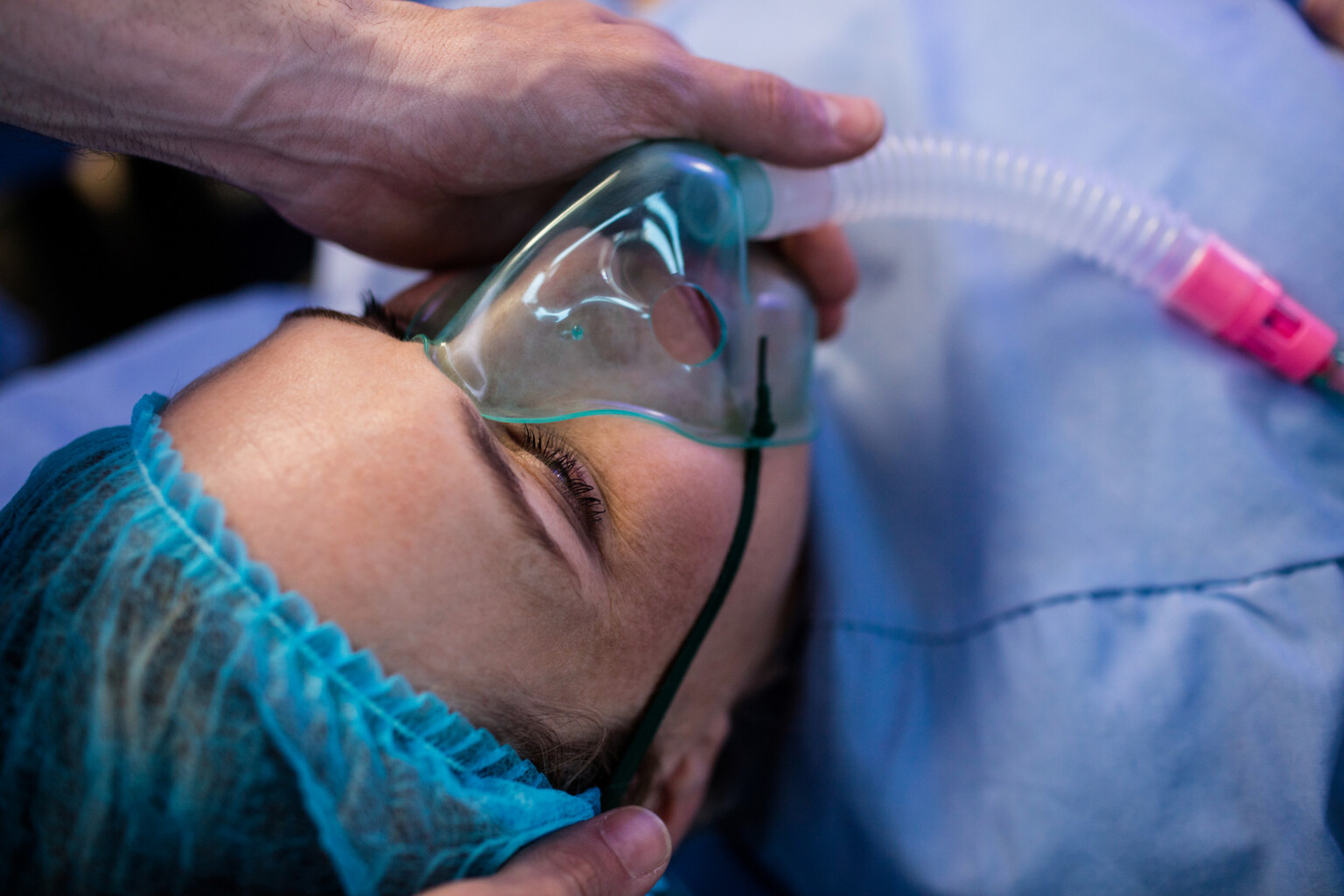
However, in some cases, it is necessary for the teeth to be treated under anesthesia (general anesthesia).
An anesthesia is performed by a specialist doctor - anesthesiologist.
After anesthesia, the patient remains under professional supervision until the next day.
Facts
- General anesthesia
- One-day hospitalization
- Procedure lasts 60-120 min
- Recovery within 2 days
Teeth are very sensitive due to the sensory nerves that transmit sensitivity as well as pain.
Injections with local anesthetic can numb these nerves because the nerves are easily accessible and the effect is immediate and lasts about 2 hours.
So when is general anesthesia necessary? The most common cases are:
- Need for a major procedure - when several teeth are damaged, or a major operation (dental surgery) is necessary.
- Allergy to local anesthetics - although there are several local anesthetics available on the market, there are patients who have had severe allergies (even cross-allergies to all local anesthetics) and must be treated under anesthesia.
- Unsuitable or uncooperative patient - there are patients who have a "fear of needles" or other phobias, or whose mental state does not allow them to sit still with their mouths open at the dentist's (children, uncooperative patients).
Before general anesthesia, it is necessary to undergo preoperative examinations. These examinations will be performed by your general practitioner (district physician).
- Blood sampling - a blood count, biochemistry, coagulation and serology are required.
- ECG - electrocardiography of the heart.
- Internal preoperative examination - a report summarizing your diseases, medications you are taking, various allergies, previous surgeries and other difficulties.
- Additional examinations - depending on your health condition, additional examinations may be necessary: chest X-ray (the condition of the lungs is mainly assessed), spirometry (lung capacity examination), stress ECG (heart condition during exertion), Holter ECG/blood pressure measurement (24-hour ECG or blood pressure measurement).
- Examination by an anesthesiologist - a pre-anesthesia examination by the doctor who will put you to sleep. For patients who do not have serious illnesses, it is sufficient for the doctor to examine you on the day of the operation (he will evaluate the findings that you bring). In the event that the patient suffers from multiple illnesses (e.g., has had a heart attack, stroke, has a pacemaker, stents in the vessels, etc.), it is necessary for the anesthesiologist to examine the patient in advance and, if necessary, order further examinations.
On the day of the operation:
- Before the procedure itself, it is necessary not to eat for 6 hours and not to drink for at least 2 hours.
- The medications that you normally take should be taken in the morning with a sip of water.
- ATTENTION: some medications must be discontinued before the procedure under anesthesia. (For example, you will not inject insulin and will not take PAD - oral antidiabetic drugs - because you will not eat anything - there would be a risk of low blood sugar). Also, due to the risk of excessive bleeding, blood thinners should not be taken - up to 7 days before the scheduled procedure - your doctor will tell you this information.
Patients after general anesthesia, which accompanied the dental surgery, remain under professional supervision until the next day.
The first two hours, the blood pressure, pulse and vital signs are regularly checked. After monitoring, the patient can be discharged to home treatment.

Related procedures
 Dentistry
- Dental Implants
- Teeth whitening (Bleaching)
- Preventive dental care
- Dental hygiene
- Tooth decay (Dental caries treatment)
- Dental pulp and dental root treatment (Endodontics)
- Dental braces (Orthodontic cases)
- Dentures (False teeth)
- Dental crowns and Dental bridges and Veneers
- Tooth extraction
- Dental X-rays
- Periodontitis (periodontal disease)