
















ENT Examination (Ear, Nose and Throat Specialist)
Content
Description
Ear, nose and throat (ENT - Otorhinolaryngology) medicine deals with diseases of the nose and sinuses, throat, pharynx, vocal cords and ears and the vestibular apparatus (position and balance organ). It also deals with the causes of snoring.
Phoniatrics is a specialized part of ENT that focuses on voice, speech and hearing disorders.

Facts
- Outpatient examination
- The examination lasts 30 minutes
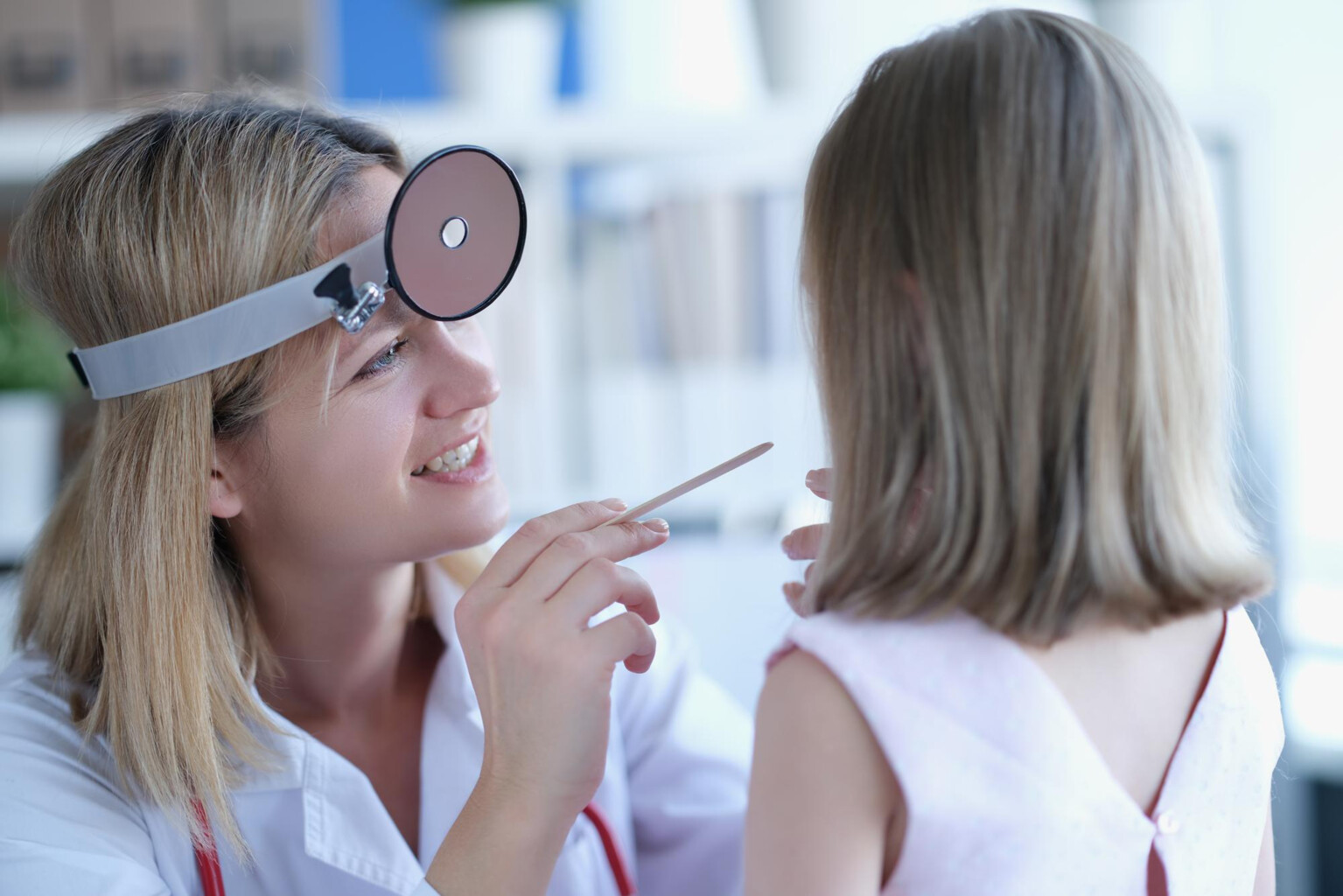
An examination at an ENT includes:
- Ear examination (otoscopy) - the ear canal and eardrum are checked
- Nose examination (rhinoscopy) - the nasal mucosa, nasal septum (septum) are checked
- Throat examination (pharyngoscopy and laryngoscopy) - the throat, vocal cords, tonsils are examined.
Specialized examinations include:
- Audiometry - hearing examination
- Tympanometry - examination of the middle ear, eardrum and auditory ossicles
- Endoscopic examination - examination of the nose and sinuses using a camera
- Otoacoustic emissions (OAE) - newborn screening for hearing impairment (sounds from the inner ear)
Swabs and biological samples are taken as needed (in case of inflammation), or imaging methods are prescribed (X-ray, sonography, MRI or CT).
Among the most common ENT diseases are inflammations:
- Inflammation of the middle ear (otitis media), inflammation of the external auditory canal
- Rhinitis and inflammation of the sinuses (sinusitis)
- Angina (acute tonsillitis), inflammation of the pharynx (nasopharyngitis), throat (laryngitis), tonsils (tonsillitis)
Also various chronic and non-inflammatory diseases:
- Hearing disorders, ringing in the ears (tinnitus), dizziness and balance disorders (vertigo), Meniere's disease (tinnitus + vertigo + hearing disorders)
- Epistaxis (nasal bleeding)
- Polyps of the nasal mucosa and sinuses
- Malignant and benign tumors
No preparation is necessary before the examination, it is recommended not to eat 2 hours before the examination, not to apply makeup on the face and not to wear earrings or piercings.